Therapeutic engagement with individuals who use illicit substances presents considerable clinical complexity. Shame, stigma, and fear of legal or social repercussion frequently operate as barriers to disclosure, resulting in the concealment or minimisation of using behaviours within clinical settings. These dynamics not only impede accurate assessment but may inadvertently reinforce cycles of shame that contribute to sustained use and relapse vulnerability.
This presentation advances a contextually informed, function-focused framework for understanding substance use, arguing that meaningful clinical progress requires moving beyond behavioural description toward an examination of the psychological, social, and environmental conditions that sustain use. Drawing on phenomenological accounts of lived experience, the presentation foregrounds the subjective dimensions of both substance use and treatment engagement, attending to how individuals make meaning of their using behaviours and the systems they navigate in seeking care.
A central contention of this presentation is that substance use frequently serves identifiable psychological functions - including affect regulation, dissociation from trauma, and the management of social disconnection - and that effective intervention must address these underlying functions rather than target surface behaviour alone. Failure to do so risks therapeutic rupture and premature disengagement from treatment.
The presentation will further describe a suite of brief clinical interventions oriented toward perspective shift and the reorientation of care focus. These approaches, grounded in motivational, acceptance-based, and trauma-informed frameworks, are designed to reduce shame-based avoidance, strengthen therapeutic alliance, and support sustainable recovery. Illustrative case material will be used to situate these strategies within the realities of clinical practice. Implications for service design, clinician reflexivity, and the broader de-stigmatisation of substance use within healthcare contexts are discussed.
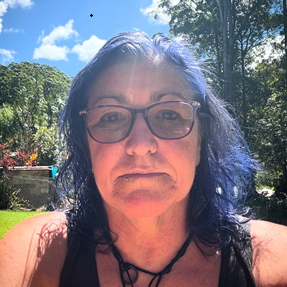
About our presenter: Sandi James
Sandi James is a registered Psychologist and PhD student with more than 15 years working in mental health, eating disorder, and addiction treatment. She is a lived experience clinician and researcher, dedicating her career to working with clients that feel let down by current systems of care and treatment approaches. Her primary focus includes mental health and trauma recovery, with a particular focus on co-occurring presentations including substance use or food and compulsive exercise related difficulties.
Sandi has extensive experience working with individuals and families to heal and recover from trauma, addictions, eating disorders, and chronic mental health conditions. She is dedicated to working with clients from an inclusive and person centred approach to improve quality of life from a harm reduction, values based, and functional perspective. She is a passionate and committed clinician and researcher with more than 12 years’ experience working with contextual behavioural approaches. Sandi is working towards her PhD conducting qualitative research looking at experiences of eating disorder treatment: identifying, responding to, and addressing harm experienced throughout the treatment process.
Webinar timing: 7:00 – 8:00 pm AEDT
Access to the recording of this webinar: A recording of this webinar will be available through the CPD Webinar Library, but for the best experience and the opportunity to ask your questions, join us live. Everyone who registers will be advised via email as soon as the recording is available. Members have unlimited access to the recording, and non-members will have access for 6 months.